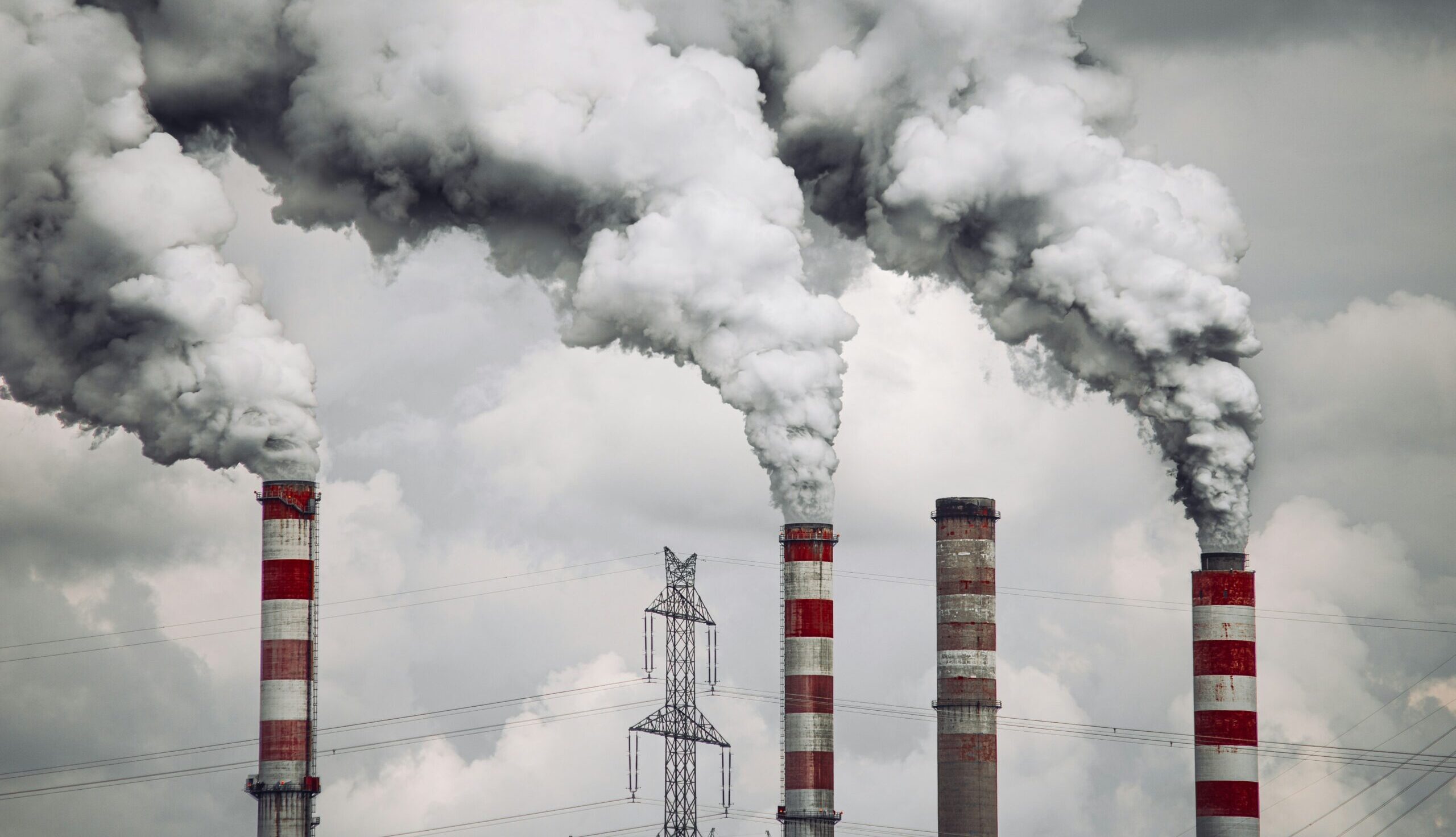
A dip in fossil fuel CO₂ emissions for 2026 is partly down to the Iran war, and partly due to countries like New Zealand embracing renewables, says the latest Global Carbon Budget.
The report, to be presented at COP31 this week, projects global oil, gas, and coal emissions to fall by 0.4 percent in 2026. It shows that NZ is among 40 countries to cut these emissions while growing its economy over the past decade.
However the reduction is being undercut by increases in human-caused peat fires, deforestation, and dry El Niño conditions – meaning total emissions are projected to reach a record 43.3 billion tones this year.
The Science Media Centre asked experts to comment.
James Renwick, Professor of Physical Geography, Te Herenga Waka-Victoria University of Wellington, comments:
“There is still no sign of a serious global response to the issue of climate change, despite one or two bright spots this year. Let’s see governments capitalise on this year’s small gains, broadening and deepening the effort to stop global warming. We can do it, but we need commitment.”
Conflict of interest statement: “None.”
Ralph Sims, Professor Emeritus, Sustainable Energy and Climate Mitigation, Massey University, comments:
“The reduction of global CO₂ emissions in 2026 were also largely driven by rises in aviation fuel, petrol and diesel prices due to the Iranian war. As was also the case in NZ, higher consumer prices at the fuel pump led to road vehicle owners driving more fuel efficiently (that can save 10-15% of fuel consumption), seeking alternative transport modes, and converting to EVs. Hence total fuel demand has declined resulting in lower emissions.
“Interestingly, this is exactly what carbon emission trading schemes (or a carbon tax) were originally aimed to achieve. Increase the cost of fossil fuels by adding a carbon charge and consumers will seek to improve energy efficiency and change to alternative clean energy forms, thereby reducing their emissions. For various reasons, the carbon price in NZ and elsewhere, has never reached levels for that to become effective and emission trading schemes have largely failed. It is a sad indictment that a war was needed to achieve a similar result.
“’We calculate with confidence that CO₂ has been responsible for over half the enhanced greenhouse warming effect. Long-lived gases including CO₂ will require immediate reductions in emissions from human activities of over 60% to stabilise their concentrations at today’s levels.’ This quote comes from the Summary for Policy Makers of the first IPCC Climate Assessment report – that was published in 1990!
“Three and a half decades later, the 2026 Global Carbon Budget report confirmed that total global CO₂ emissions from human activities continue to increase, though at a declining annual rate over the past few years (by 1% in 2026). As stated by the report authors: With CO₂ still rapidly accumulating in the atmosphere, the dangerous impacts of climate change continue to increase.”
Conflict of interest statement: “No conflicts.”